Hydrangea Tree Pink: The Ultimate Guide
Are you looking to add a pop of color to your garden? Do you want a plant that is easy to care for and provides stunning blooms? Look no further than the hydrangea tree pink! This beautiful shrub offers vibrant, pink flowers that will brighten up any outdoor space. In this guide, we'll cover everything you need to know about the hydrangea tree pink – from its care requirements to its history and symbolism.
The hydrangea tree pink is a type of hydrangea that produces large clusters of pink flowers. It is a popular choice among gardeners due to its stunning blooms and ease of care. The plant is native to Asia and was introduced to Europe in the 18th century. Since then, it has become a beloved flower around the world.
While many people are familiar with the traditional round-shaped hydrangea bushes, the hydrangea tree pink is a bit different. As the name suggests, it grows into a tree-like shape, reaching heights of up to 8 feet tall. This makes it an excellent choice for those who want a statement piece in their garden.
History and Symbolism
As mentioned earlier, the hydrangea tree pink is native to Asia. It was first discovered by European explorers in the 18th century, and quickly became popular among gardeners. In Japan, the flower is known as "ajisai" and is considered a symbol of grace, gratitude, and heartfelt emotion.
In the Victorian era, the hydrangea was associated with vanity and boastfulness due to its large, showy blooms. However, today the flower is seen as a symbol of love, appreciation, and understanding. In some cultures, the pink hydrangea specifically represents femininity, romance, and emotional balance.
Characteristics
The hydrangea tree pink is a deciduous shrub that can grow up to 8 feet tall and 6 feet wide. It has large, glossy green leaves and produces large clusters of pink flowers from early summer to late fall. The blooms can range in shade from pale pink to deep magenta, depending on the pH level of the soil.
One of the unique characteristics of the hydrangea tree pink is that it can change color based on the acidity of the soil. If the soil is more alkaline (pH levels above 7), the flowers will be a lighter pink or even white. On the other hand, if the soil is more acidic (pH levels below 7), the flowers will be a darker, more vibrant pink.
Care Requirements
The hydrangea tree pink is a relatively low-maintenance plant, making it an excellent choice for beginners. Here are some tips to keep your plant healthy and thriving:
- Plant your hydrangea tree pink in well-draining soil that is rich in organic matter.
- Water your plant deeply once a week, making sure the soil stays moist but not waterlogged.
- Fertilize your plant with a balanced fertilizer in the spring and again in the summer.
- Prune your plant in the late winter or early spring, removing any dead or damaged branches.
Common Problems
Like any plant, the hydrangea tree pink can face its fair share of issues. Here are some common problems you may encounter:
- Powdery mildew: This fungal disease appears as a white, powdery substance on the leaves. To prevent it, make sure your plant has good air circulation and avoid overhead watering.
- Leaf spot: This bacterial disease causes brown spots on the leaves. To prevent it, avoid getting water on the leaves and prune away any infected branches.
- Aphids: These tiny insects feed on the sap of the leaves and can cause them to curl. To get rid of them, spray your plant with a strong stream of water or use an insecticidal soap.
Uses
The hydrangea tree pink is primarily grown for its stunning blooms. It makes an excellent addition to any garden, adding a pop of color and interest. Additionally, the flowers can be cut and used in floral arrangements.
In some cultures, the hydrangea is believed to have medicinal properties. For example, in traditional Chinese medicine, the flower is used to treat headaches, fever, and inflammation.
Frequently Asked Questions
Q: Can I grow a hydrangea tree pink in a container?
A: Yes, you can! Just make sure the container is large enough to accommodate the plant's roots and provide adequate drainage.
Q: How often should I fertilize my hydrangea tree pink?
A: Fertilize your plant once in the spring and again in the summer with a balanced fertilizer.
Q: Do I need to prune my hydrangea tree pink?
A: Yes, pruning is recommended in the late winter or early spring. Remove any dead or damaged branches, as well as any branches that are crossing or rubbing against each other.
Q: What is the best soil for a hydrangea tree pink?
A: Hydrangeas prefer well-draining soil that is rich in organic matter. A pH level between 5.2 and 6.0 is ideal for pink blooms.
Q: How much sun does a hydrangea tree pink need?
A: Hydrangeas prefer partial shade to full sun. In hotter climates, they may do better with some afternoon shade.
Q: Why are my hydrangea tree pink flowers turning blue?
A: This could be due to the pH level of the soil. If the soil is too acidic, the flowers may turn blue. To keep them pink, add lime to the soil to raise the pH level.
Q: Do deer eat hydrangea tree pinks?
A: Yes, deer are known to eat hydrangeas. If you have a problem with deer in your area, consider using a deer repellent or planting other deer-resistant plants.
Q: Can I propagate my hydrangea tree pink?
A: Yes, you can! The best time to do so is in the late summer or early fall. Take cuttings from the plant and root them in moist potting soil.
Q: How long do hydrangea tree pink blooms last?
A: The blooms can last from early summer to late fall, depending on the weather conditions and care provided.
Q: Are hydrangea tree pinks toxic to pets?
A: Yes, hydrangeas are toxic to dogs, cats, and horses. Keep them out of reach of your furry friends.
The hydrangea tree pink is a stunning plant that offers vibrant, pink blooms and an easy-care nature. Whether you're a seasoned gardener or just ing out, this shrub is sure to impress. With proper care, it can provide years of beauty and enjoyment in your outdoor space.
10 Hydrangea tree pink Images

Pinky Winky Hydrangea Paniculata Can Be Trained As Standard Growing

Deep Pink Hydrangea Pink Hydrangea Flower Garden Flowers

Page Not Found Hydrangea Tree Ornamental Trees White Flowering Trees

Dwarf Hydrangia Under Window Box French Hydrangea Hydrangea

Louisiana DSC04110 In 2020 Pink Hydrangea Nature Photography
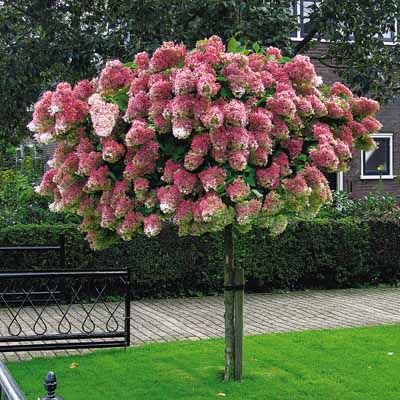
215 Best Large Fragrant Shrubs And Trees Images On Pinterest Shrub

Smaller Variety With Cone Shaped Blooms That Open Earlier Than Most

Pink Diamond Hydrangea Tree Hydrangea Tree Pink Diamond

HYDRANGEA TREE Pink Diamond Std Hydrangea Paniculata Plants

Pinky Winky Hydrangea Tree FASHION GIFTS FOODS That I Love
Posting Komentar untuk "Hydrangea Tree Pink: The Ultimate Guide"